This tp link axe5400 review looks at the Archer AXE75, a tri-band Wi-Fi 6E router built around a dedicated 6 GHz band, OFDMA, and support for a OneMesh extender.
It suits homes that want more wireless capacity and flexible network features, provided their devices can use Wi-Fi 6E to take advantage of that newer band.
Archer AXE75 Review Summary
The quick verdict
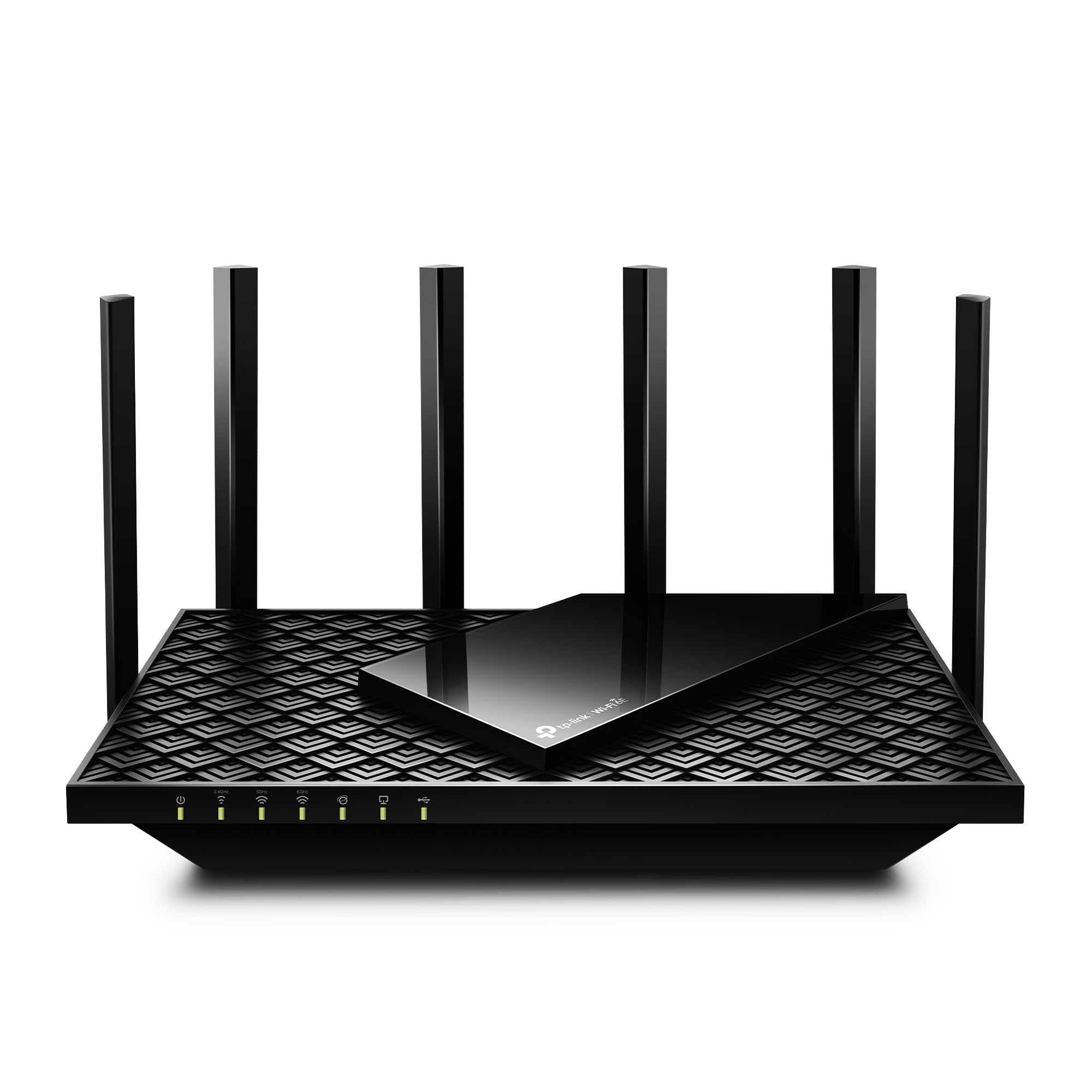
5,000+ ratings
Read Amazon ReviewsTP-Link Archer AXE75
A tri-band Wi-Fi 6E router for households that want a 6 GHz band, VPN options, and OneMesh expansion.
- Tri-band Wi-Fi 6E with up to 5400 Mbps combined wireless rate: 2402 Mbps on 6 GHz, 2402 Mbps on 5 GHz, and 574 Mbps on 2.4 GHz.
- The 6 GHz band is intended to provide additional bandwidth for more responsive gaming and video calls on compatible devices.
- OFDMA and tri-band operation are designed to increase capacity for simultaneous connections.
- A 1.0 GHz dual-core CPU and 512 MB of high-speed memory support the router's network processing.

Pros
- Adds a 6 GHz band while retaining 5 GHz and 2.4 GHz for devices that use those bands.
- OFDMA and tri-band design address homes with multiple devices sharing the network.
Consider before buying
- The 6 GHz benefit depends on having compatible client devices; older devices will need to use other bands.
- The combined speed figure does not represent a single-device speed, and actual results depend on conditions and connected equipment.
Read the full review summary
The AXE75 combines three wireless bands with a stated aggregate rate of up to 5400 Mbps: up to 2402 Mbps on both 6 GHz and 5 GHz, plus up to 574 Mbps on 2.4 GHz.
Its 6 GHz band can give compatible devices a less crowded connection option, while OFDMA is designed to help the router serve multiple devices at once.
Those figures describe the router's wireless capacity, not a guaranteed speed for an individual device or internet plan.
This model is a stronger fit for a home with Wi-Fi 6E devices, several active users, and interest in VPN or parental-control features.
OneMesh support offers a route to extend coverage with a compatible TP-Link extender, and the listed HomeShield basics include security scanning, IoT identification, basic parental controls, QoS, and usage reports.
The main practical checks are whether your devices support 6 GHz, whether you need multi-gig wired networking, and whether an extender is needed for your floor plan.
The buying factors
Archer AXE75 Scorecard
Editorial scores reflect listed features and buyer fit; they are not laboratory measurements or customer ratings.
Wireless band flexibility
Three bands, including 6 GHz, give compatible devices another connection option alongside 5 GHz and 2.4 GHz.
Multi-device design
OFDMA and tri-band operation are intended to increase capacity for simultaneous transmissions.
Wireless capacity
The combined rate is up to 5400 Mbps across bands, although actual device throughput depends on the full connection setup.
Network controls
VPN server and client support, QoS, and basic HomeShield controls add useful management options.
Coverage expansion
OneMesh supports expansion with a compatible TP-Link extender; no coverage area figure is provided here.
Wired flexibility
A 2.5 Gbps WAN port is identified in the product title, but the supplied details do not establish a multi-gig LAN layout.
Key Features and Specifications of Archer AXE75
- Tri-band Wi-Fi 6E with up to 5400 Mbps combined wireless rate: 2402 Mbps on 6 GHz, 2402 Mbps on 5 GHz, and 574 Mbps on 2.4 GHz.
- The 6 GHz band is intended to provide additional bandwidth for more responsive gaming and video calls on compatible devices.
- OFDMA and tri-band operation are designed to increase capacity for simultaneous connections.
- A 1.0 GHz dual-core CPU and 512 MB of high-speed memory support the router's network processing.
- OneMesh compatibility allows pairing with a TP-Link OneMesh extender for whole-home coverage expansion.
- VPN server and client support includes OpenVPN, PPTP, and L2TP options.
- Basic HomeShield features include a security scan, IoT device identification, parental controls, QoS, and weekly or monthly reports.
Pros and Cons of Archer AXE75
Pros
- Adds a 6 GHz band while retaining 5 GHz and 2.4 GHz for devices that use those bands.
- OFDMA and tri-band design address homes with multiple devices sharing the network.
- Supports VPN server and client functions, giving buyers more network-routing choices.
- OneMesh support provides a compatible extender path if one router does not suit the home's layout.
Consider before buying
- The 6 GHz benefit depends on having compatible client devices; older devices will need to use other bands.
- The combined speed figure does not represent a single-device speed, and actual results depend on conditions and connected equipment.
- The product information identifies a 2.5 Gbps WAN port but does not make the wired LAN configuration clear; check the port layout if wired multi-gig connections matter.
Who Should Buy Archer AXE75?
Good fit
Consider the Archer AXE75 if your home has Wi-Fi 6E phones, computers, or other devices and you want the option of a 6 GHz connection alongside the familiar 5 GHz and 2.4 GHz bands.
Its tri-band and OFDMA design is also relevant if multiple people stream, game, call, or download at the same time.
It is a practical shortlist choice for buyers who want VPN server and client support, basic network controls, and an extender-based expansion route.
Before buying, confirm that your internet modem and service setup are compatible, check the WAN and LAN ports against your wired devices, and consider whether the OneMesh extender approach fits your home's coverage needs.
Who should skip it
Skip this model if you specifically need a Wi-Fi 7 router or a documented multi-gig LAN arrangement; the supplied details identify Wi-Fi 6E and a 2.5 Gbps WAN port, so confirm that its wired ports meet your requirements before choosing.
It may also be poor value for a home whose devices do not support 6 GHz and that has no use for VPN or OneMesh features.
In that case, compare simpler dual-band options around the needs you actually have.
What the Archer AXE75's Wi-Fi 6E design means
A separate band for compatible devices
The AXE75's 6 GHz band is its defining distinction from older dual-band designs. A compatible client can use that band while other equipment remains on 5 GHz or 2.4 GHz, which can help organize a crowded home network.
The band is useful only when both the router and the client support it, so check the devices you most want to benefit before treating Wi-Fi 6E as a reason to upgrade.
Capacity across a shared household
The router's three listed maximum rates add to up to 5400 Mbps, but that total is distributed among bands and clients.
OFDMA is intended to coordinate simultaneous transmissions more efficiently, making the feature set relevant in a home with many connected devices.
It does not guarantee a particular speed or eliminate the effects of distance, walls, interference, or an internet plan's limits.
Expansion and wired setup
OneMesh gives the AXE75 a compatible TP-Link extender route for extending a network through the home.
This can be useful when the router's placement alone does not suit the layout, though the best result depends on where an extender can receive a usable connection.
For wired equipment, verify the exact WAN and LAN port arrangement before purchase, especially if you expect multi-gig speeds between local devices.
Useful controls for a home network
VPN server and client support, QoS, basic parental controls, and HomeShield's basic security and device-identification tools make the router more configurable than a bare access point.
Buyers should decide which of these controls they plan to use and check the available settings meet their needs.
The listed features provide a solid starting set, while more advanced security or parental-control requirements may call for a closer look at the service details.
Alternatives to Archer AXE75
Computer Routers alternative
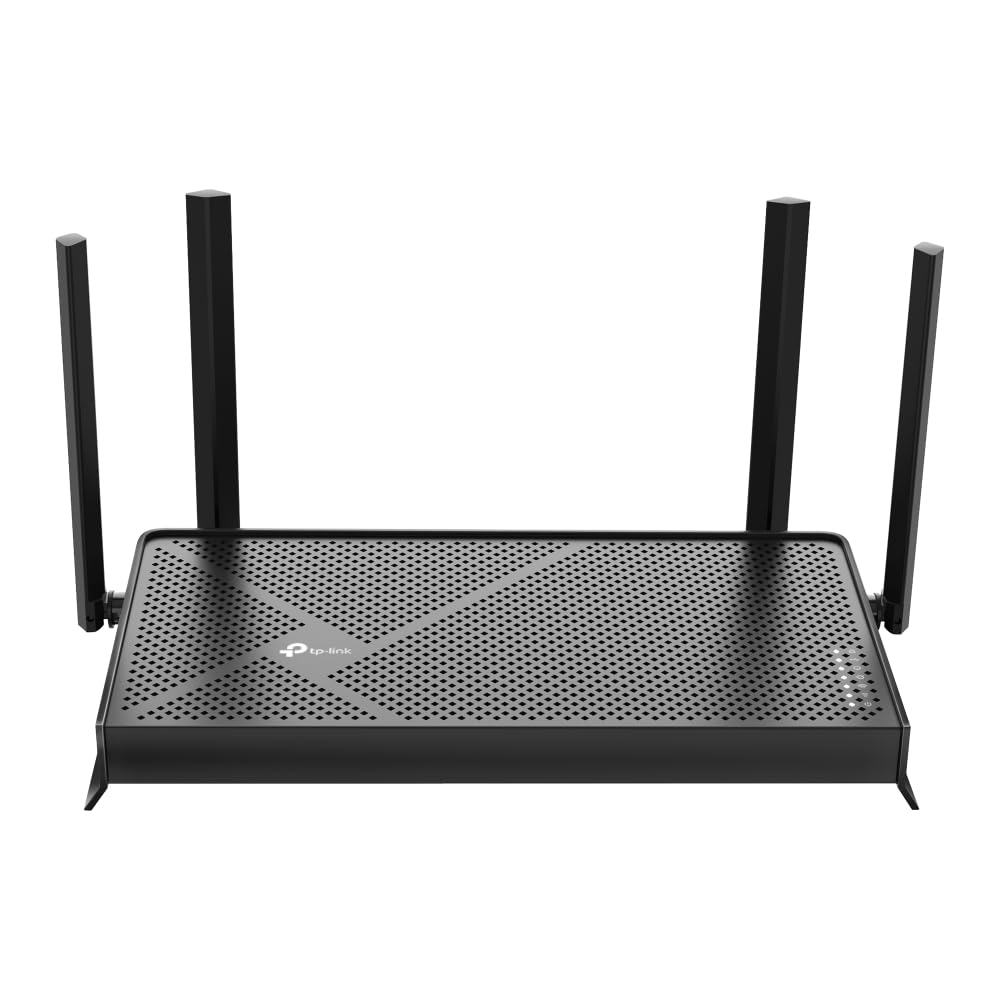
1,000+ ratings
Read Amazon ReviewsTP-Link Archer BE230
Choose the AXE75 if access to a 6 GHz band is central to your setup.
Consider the BE230 if Wi-Fi 7 features and a more explicit multi-gig wired-port layout matter more, and you are comfortable with a dual-band design.
- The Archer BE230 is a dual-band Wi-Fi 7 model with MLO, EasyMesh, one 2.5 Gbps WAN/LAN port, one 2.5 Gbps LAN port, three 1 Gbps LAN ports, and a USB 3.0 port.
- Its listed maximum wireless rates are up to 2882 Mbps on 5 GHz and 688 Mbps on 2.4 GHz; it does not support 6 GHz.
- The Archer AXE75 offers tri-band Wi-Fi 6E with a 6 GHz band and OneMesh extender support.
Computer Routers alternative
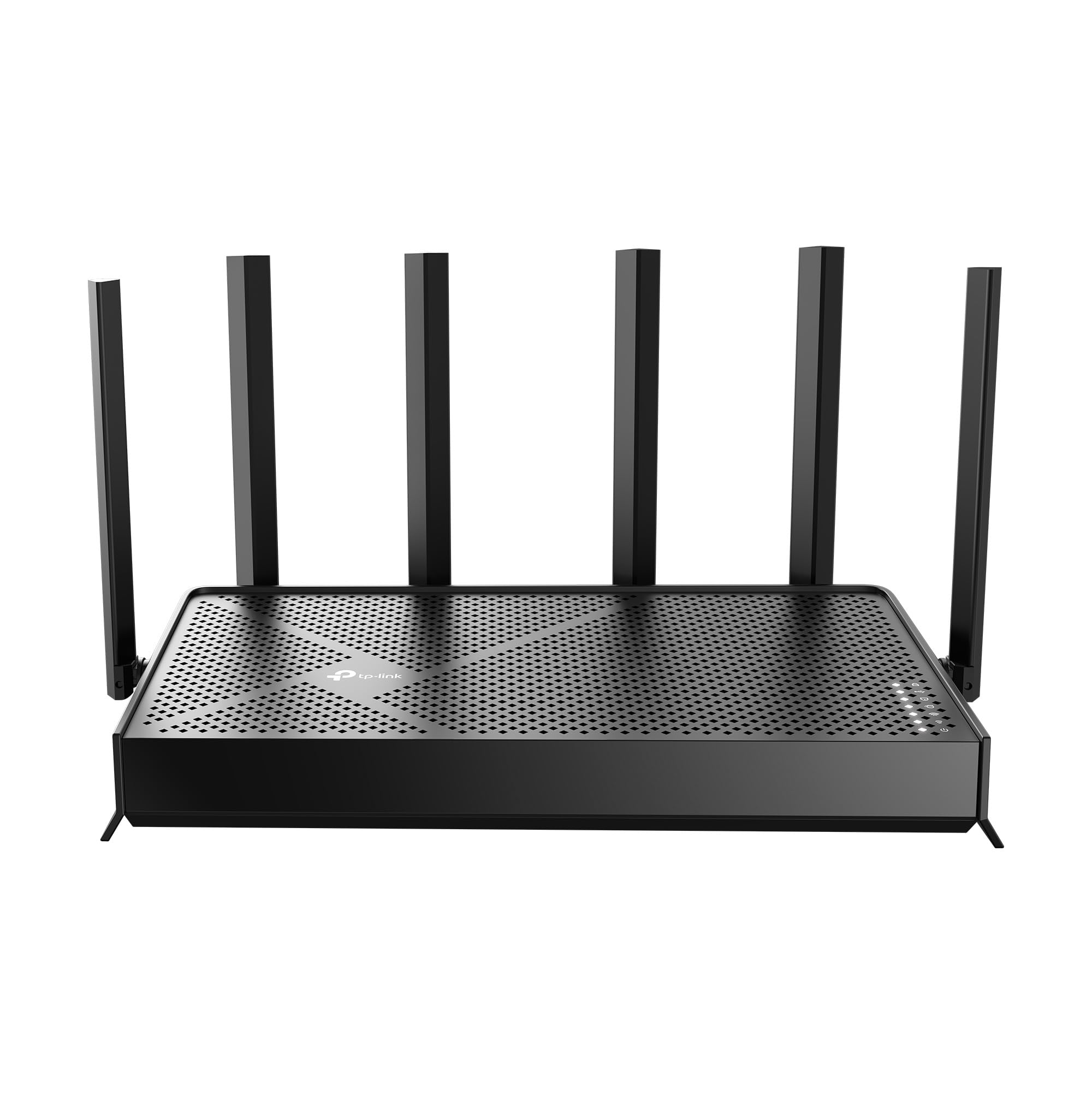
600+ ratings
Read Amazon ReviewsTP-Link Archer BE600
The BE600 is the more suitable comparison if you want Wi-Fi 7, multiple multi-gig LAN connections, and higher listed capacity for a larger or busier setup.
The AXE75 remains the more focused choice if Wi-Fi 6E meets your needs and you mainly want a 6 GHz band without relying on the BE600's broader wired feature set.
- The Archer BE600 is a tri-band Wi-Fi 7 router with a 10 Gbps WAN/LAN port, a 2.5 Gbps WAN/LAN port, and three 2.5 Gbps LAN ports.
- Its listed maximum rates are up to 5765 Mbps on 6 GHz, 2882 Mbps on 5 GHz, and 1032 Mbps on 2.4 GHz; the product details also specify coverage up to 2600 square feet and support for up to 120 devices.
- The AXE75 is a Wi-Fi 6E router with three bands, including 6 GHz, and a listed 2.5 Gbps WAN port.
Is Archer AXE75 Worth It?
The TP-Link Archer AXE75 is worth considering for a home that can use Wi-Fi 6E and wants three bands, OFDMA, VPN support, and a compatible extender path.
Its feature mix makes the most sense when the 6 GHz band or network controls solve a real household need.
Check client compatibility, home layout, and wired port requirements before buying.
If you need Wi-Fi 7 or several clearly specified multi-gig LAN ports, compare the alternatives; otherwise, the AXE75 offers a balanced set of wireless and management features for a Wi-Fi 6E home.
Your review at a glance
5,000+ ratings
Read Amazon ReviewsTP-Link Archer AXE75
A tri-band Wi-Fi 6E router for households that want a 6 GHz band, VPN options, and OneMesh expansion.
- Tri-band Wi-Fi 6E with up to 5400 Mbps combined wireless rate: 2402 Mbps on 6 GHz, 2402 Mbps on 5 GHz, and 574 Mbps on 2.4 GHz.
- The 6 GHz band is intended to provide additional bandwidth for more responsive gaming and video calls on compatible devices.
- OFDMA and tri-band operation are designed to increase capacity for simultaneous connections.
- A 1.0 GHz dual-core CPU and 512 MB of high-speed memory support the router's network processing.