If you’re looking to enhance your vehicle diagnostics, wireless OBD data loggers are essential tools for any car enthusiast or DIY mechanic. With a variety of options available in 2026, it’s important to know which models stand out for their features and connectivity. From advanced scanners to more budget-friendly picks, understanding your choices can make a significant difference. Let’s explore the top contenders and what they bring to the table.
BlueDriver Bluetooth Pro OBDII Scan Tool for iPhone & Android

The BlueDriver Bluetooth Pro OBDII Scan Tool is the perfect choice for car enthusiasts and everyday drivers alike who want to diagnose their vehicles without the hassle of subscription fees. This tool is compatible with all gas vehicles from 1996 onward, allowing you to diagnose over 7,000 issues, including check engine lights and airbag alerts. You can read and clear trouble codes effortlessly, and the user-friendly app provides unlimited repair reports with potential fixes. Plus, its Bluetooth connectivity means you can stay wire-free. With 24/7 support and a wealth of repair videos, you’ll have everything you need at your fingertips.
Best For: Car enthusiasts and everyday drivers looking for a user-friendly diagnostic tool without subscription fees.
Pros:
- Easy-to-use app with unlimited repair reports and potential fixes.
- Wireless Bluetooth connectivity eliminates the need for cumbersome wires.
- 24/7 professional support available through phone or in-app chat.
Cons:
- Limited to gas vehicles from 1996 onwards, excluding older models and diesel vehicles.
- Some advanced features may not be available for all car makes and models.
- Initial setup may require some technical knowledge for first-time users.
OBDLink MX+ OBD2 Bluetooth Scanner for iPhone, Android, and Windows

If you’re looking for a versatile OBD2 scanner that works seamlessly with your smartphone or PC, the OBDLink MX+ is an excellent choice. This Bluetooth scanner transforms your device into a professional-grade diagnostic tool, compatible with iPhone, Android, and Windows. You’ll benefit from enhanced support for brands like Ford, GM, and Toyota, along with access to live parameters including ABS and SRS. Plus, it clears the Check Engine Light effortlessly. With built-in safety features and regular firmware updates, you can trust the OBDLink MX+ to keep your vehicle diagnostics in top shape, making it a must-have for any car enthusiast.
Best For: The OBDLink MX+ is best for car enthusiasts and DIY mechanics looking for a reliable and versatile OBD2 scanner that works with their smartphones and PCs.
Pros:
- Compatible with a wide range of vehicles, including Ford, GM, Mazda, Nissan, and Toyota.
- Access to live parameters such as ABS, SRS, and TPMS, providing comprehensive diagnostics.
- Built-in safety features like over-voltage protection and battery drain prevention ensure device longevity.
Cons:
- May require additional apps for full functionality, which could lead to extra costs.
- Limited compatibility with some non-OEM vehicles or certain diagnostic features.
- Bluetooth connectivity issues may arise depending on the device and operating system used.
Veepeak OBDCheck BLE+ Bluetooth OBD II Scanner for iOS & Android

Looking for an effective and user-friendly OBD II scanner? The Veepeak OBDCheck BLE+ Bluetooth scanner is a fantastic choice for both iOS and Android users. It lets you read and clear check engine codes, view freeze frame data, and monitor live vehicle health. Compatible with most 1996+ OBD-II compliant vehicles, it also supports third-party apps like Car Scanner and Torque. Keep in mind, it doesn’t handle full-system diagnostics or special functions like oil resets. This compact device connects via Bluetooth LE, ensuring a seamless experience when diagnosing your vehicle’s performance.
Best For: Those seeking a budget-friendly and easy-to-use OBD II scanner for basic engine diagnostics on 1996+ vehicles.
Pros:
- Supports reading and clearing of check engine codes and live vehicle data.
- Compatible with various third-party apps for enhanced functionality.
- Bluetooth LE connectivity allows for a wireless and convenient user experience.
Cons:
- Limited to basic diagnostics; does not support full-system diagnostics or advanced functions.
- Certain features may require additional purchases through third-party apps.
- Compatibility for EVs varies, requiring prior verification for specific models.
OBD2 Scanner Reader Bluetooth Wireless Auto Diagnostic Tool for iOS & Android

For anyone seeking a reliable and user-friendly diagnostic tool, the OBD2 Scanner Reader Bluetooth Wireless Auto Diagnostic Tool stands out in the crowded market of automotive gadgets. Compatible with both iOS and Android, this compact device weighs just 2 ounces and fits easily in your hand. It supports over 96% of vehicles from 1996 onward, making it versatile. With Bluetooth 5.4 technology, you can enjoy fast, hassle-free connections. The intuitive app helps you interpret check engine lights and provides DIY repair guides, saving you from costly shop visits. Plus, its customer support guarantees you’re never left in the dark.
Best For: Those looking for an easy-to-use, affordable diagnostic tool for home car maintenance and troubleshooting.
Pros:
- Broad Compatibility: Works with over 96% of vehicles from 1996 onwards, covering a wide range of makes and models.
- User-Friendly App: Intuitive application provides real-time data and DIY repair guides, perfect for both novices and experienced users.
- Fast Connectivity: Bluetooth 5.4 technology ensures quick and reliable connections without the hassle of wires.
Cons:
- Code Clearing Limitations: Fault codes can only be cleared after repairs, which may require additional visits to a repair shop.
- Battery Drain Concern: Device needs to be unplugged after use to prevent draining the car’s battery.
- Limited Advanced Features: While comprehensive for basic diagnostics, it may lack some advanced features found in higher-end models.
Veepeak OBDCheck BLE Bluetooth OBD II Scanner for iOS & Android

The Veepeak OBDCheck BLE Bluetooth OBD II Scanner stands out as an excellent choice for tech-savvy car owners who want to monitor their vehicle’s health conveniently. This wireless device works seamlessly with both iOS and Android, letting you read and clear trouble codes, view freeze frame data, and access live sensor data. Compatible with most 1996+ vehicles, it’s a handy tool for diagnosing engine problems. Just remember to connect through the app for Bluetooth LE. While it covers basic OBD-II functions, advanced diagnostics may be limited, so check compatibility with your vehicle before purchasing for ideal use.
Best For: Tech-savvy car owners looking for a convenient way to monitor their vehicle’s health and diagnose engine problems.
Pros:
- Compatible with most 1996+ vehicles, making it a versatile tool for a wide range of cars and light trucks.
- Wireless Bluetooth connection with both iOS and Android devices for easy access to vehicle diagnostics.
- Allows users to read and clear trouble codes, view freeze frame data, and access live sensor information.
Cons:
- Limited support for advanced diagnostics (ABS, SRS, TPMS) and specific vehicle data may not be available for all makes/models.
- Requires connection through the app for Bluetooth LE, which may be inconvenient for some users.
- Not compatible with certain advanced apps like Carly, MHD, or xHP, limiting its functionality for some users.
Bluetooth OBD2 Scanner for Car – Wireless Diagnostic Code Reader
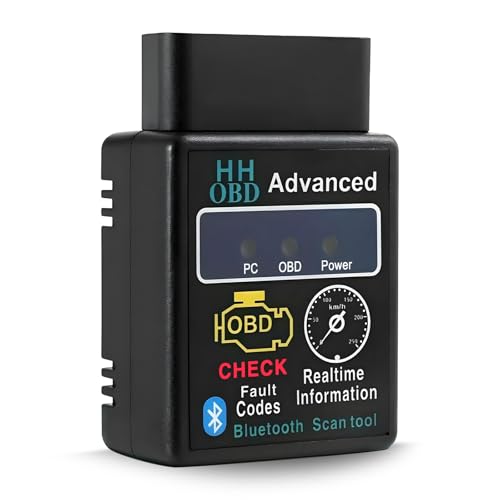
When you need a reliable tool for diagnosing vehicle issues, the Bluetooth OBD2 Scanner for Car stands out as an excellent choice. Weighing just 44 grams and featuring a durable ABS shell, this compact device connects wirelessly to your smartphone or PC. It reads and clears fault codes in real-time, displaying critical data like engine speed and coolant temperature. With compatibility across various devices, using it is a breeze: plug it into the OBDII port, start your engine, and access valuable insights. Backed by positive customer feedback, it’s a must-have for any car enthusiast or DIY mechanic.
Best For: Car enthusiasts and DIY mechanics looking for a reliable and portable diagnostic tool to troubleshoot vehicle issues.
Pros:
- Real-time diagnostics allow users to read and clear fault codes, enhancing vehicle maintenance efficiency.
- Wireless connectivity simplifies usage, eliminating the hassle of tangled wires and making it compatible with smartphones and PCs.
- Compact and durable design ensures ease of storage and longevity, suitable for on-the-go diagnostics.
Cons:
- Limited to OBDII compatible vehicles, which may exclude older models or certain makes.
- Requires app installation on a smartphone or PC, which may be inconvenient for some users.
- Possible Bluetooth connectivity issues depending on device compatibility and environmental factors.
2025 Bluetooth OBD2 Scanner for iPhone & Android
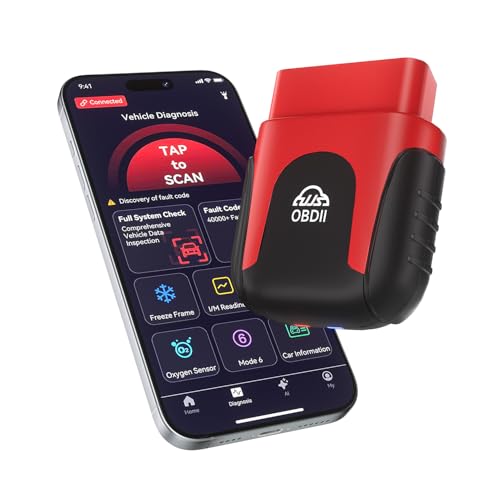
Bluetooth OBD2 scanners designed for iPhone and Android users offer unparalleled convenience, especially for DIY enthusiasts who want to diagnose vehicle issues without relying on a mechanic. The 2025 Bluetooth OBD2 Scanner is AI-powered, generating car health reports in minutes and analyzing live data for actionable insights. Its ultra-compact design connects seamlessly to your OBD2 port, providing a wireless link via Bluetooth 5.4 for constant monitoring. With real-time data visualization of key metrics, you can catch problems that standard readers might overlook. Plus, it’s compatible with all vehicles from 1996 onward and comes with lifetime updates and a warranty.
Best For: DIY enthusiasts and vehicle owners looking for an easy-to-use, wireless diagnostic tool to monitor and troubleshoot their cars.
Pros:
- AI-powered features provide quick and actionable car health reports without needing mechanic knowledge.
- Ultra-compact design allows for easy portability and seamless integration with your vehicle’s OBD2 port.
- Universal compatibility with all OBD2 protocol vehicles from 1996 onwards, ensuring wide usability.
Cons:
- May require a learning curve for users unfamiliar with interpreting diagnostic data.
- Wireless connectivity can sometimes be less reliable than traditional wired scanners.
- Limited functionality for older vehicles that do not fully support OBD2 protocols.
ANCEL AD310 OBD II Scanner Car Engine Fault Code Reader

For those seeking a reliable and straightforward solution to diagnose engine issues, the ANCEL AD310 OBD II Scanner stands out as an excellent choice. This compact tool is compatible with 1996 or newer OBD2 vehicles and helps you read and clear diagnostic trouble codes rapidly. Recommended by Scotty Kilmer, it identifies the causes of your check engine light, enhancing your vehicle’s performance. With a sturdy design, user-friendly interface, and no need for batteries, it’s perfect for on-the-go diagnostics. However, keep in mind it primarily focuses on emission-related issues and won’t work with OBDI vehicles.
Best For: Car owners with 1996 or newer OBD2 vehicles looking for an efficient and user-friendly tool to diagnose engine issues.
Pros:
- Quick and Accurate: Reads and clears diagnostic trouble codes in seconds.
- User-Friendly Design: Features a large screen and clearly labeled buttons for ease of use.
- Portable: Compact size allows for easy transport and storage.
Cons:
- Limited Scope: Primarily focuses on emission-related issues and cannot diagnose unrelated engine fault codes.
- OBDII Only: Not compatible with OBDI vehicles, even with adapters.
- No Advanced Features: Lacks advanced diagnostics that may be found in higher-end scanners.
NEXAS NexLINK Bluetooth OBD2 Scanner for Car
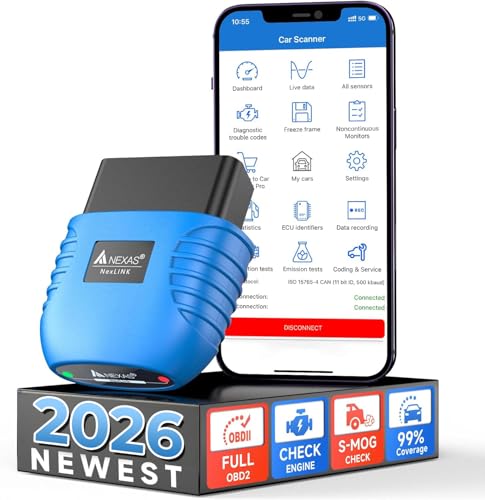
The NEXAS NexLINK Bluetooth OBD2 Scanner stands out as an ideal choice for both car enthusiasts and everyday drivers seeking reliable vehicle diagnostics. It’s compatible with a wide range of makes, including BMW, Ford, and Toyota, covering OBDII-compliant vehicles since 1996. You can accurately diagnose Check Engine Light issues, read and clear fault codes, and access real-time data—all from your smartphone. Plus, it doubles as a motorcycle scanner, supporting Motoscan and TuneECU apps. With its low-power technology and auto-sleep function, you’ll save battery life while enjoying seamless Bluetooth connectivity for enhanced diagnostics.
Best For: Car enthusiasts and everyday drivers looking for reliable and efficient vehicle diagnostics.
Pros:
- Wide compatibility with various makes and models, including BMW, Ford, and Toyota, covering OBDII-compliant vehicles since 1996.
- Dual functionality as both a car and motorcycle OBD2 scanner, supporting multiple diagnostic apps for enhanced versatility.
- Energy-efficient design with low-power technology and auto-sleep function, preserving battery life while providing seamless Bluetooth connectivity.
Cons:
- Limited to OBDII-compliant vehicles, so older or non-compliant models may not be supported.
- Dependency on smartphone apps for full functionality, which may require additional downloads and setup.
- Potential connectivity issues with some third-party apps, which may affect performance and user experience.
OBD2 WiFi Scanner for iPhone, Android, and Windows
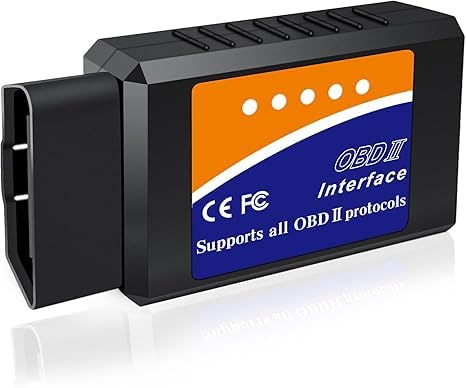
If you’re looking for an OBD2 WiFi scanner that seamlessly connects to your iPhone, Android, or Windows device, this versatile tool is your best choice. It’s compatible with most 1996 and newer OBDII compliant vehicles, allowing you to read and clear trouble codes quickly. You can monitor real-time data like engine RPM, coolant temperature, and oxygen sensor readings. The dedicated Mini ODBII app is easy to use, and you can pair the scanner via WiFi effortlessly. Plus, it comes with a 24-month warranty and professional customer support, ensuring you’re covered with your purchase.
Best For: Anyone looking for an affordable and user-friendly OBD2 WiFi scanner that provides comprehensive vehicle diagnostics for most cars manufactured after 1996.
Pros:
- Easy to use with a dedicated app and seamless WiFi connection.
- Compatible with a wide range of OBDII compliant vehicles, including popular brands.
- Provides real-time data and diagnostic trouble code reading for effective vehicle monitoring.
Cons:
- May not support 24V diesel vehicles, hybrids, or non-OBDII compliant models.
- Some advanced features may require additional paid apps or subscriptions.
- Performance can vary depending on the smartphone or tablet used for connection.
Factors to Consider When Choosing a Wireless OBD Data Logger
When you’re choosing a wireless OBD data logger, several key factors come into play. You’ll want to evaluate compatibility with your vehicle model, the diagnostic features it offers, and how user-friendly the app interface is. Don’t forget to check the wireless connectivity options and whether it allows for real-time data monitoring.
Compatibility With Vehicle Models
Verifying compatibility with your vehicle model is essential for getting the most out of a wireless OBD data logger. Most scanners cater to OBD-II compliant vehicles manufactured since 1996, so check if your car meets this standard. Different data loggers may offer varying support levels for brands like Ford, GM, and Toyota, so research accordingly. If you own an electric vehicle, confirm that the data logger can accommodate your specific model, as some may have limited functionality. Always review product specifications for supported protocols like J1850 or ISO9141 to verify they match your vehicle’s diagnostic needs. User reviews and compatibility inquiries can also provide valuable insights into real-world performance across various vehicle models.
Diagnostic Features Offered
Choosing a wireless OBD data logger involves considering several key diagnostic features that can greatly enhance your vehicle maintenance experience. Look for features that go beyond basic trouble code reading and clearing; aim for devices that support advanced diagnostics like ABS and SRS. Live data monitoring is essential, allowing you to track real-time parameters such as engine temperature and RPM. Some loggers even generate detailed repair reports, helping you understand potential issues and solutions. Compatibility with third-party apps can considerably expand your diagnostic capabilities, offering performance tests and freeze frame data. Finally, verify the model supports various protocols for thorough coverage across different vehicles, making diagnostics effective and versatile.
User-Friendly App Interface
After considering the diagnostic features of various wireless OBD data loggers, the next important aspect to evaluate is the user-friendly app interface. You’ll want an app with intuitive navigation and clearly labeled functions, making it easy for both novices and experts. Look for thorough instructions and troubleshooting guides to help you interpret diagnostic information and tackle repairs effectively. Real-time data visualization, like graphs and charts, can enhance your understanding of vehicle performance. Compatibility with third-party apps is a plus, as it expands functionality and tailors data to your needs. Finally, verify the app offers frequent updates and responsive customer support for peak performance and prompt assistance when you have questions.
Wireless Connectivity Options
When selecting a wireless OBD data logger, understanding the connectivity options is essential for ideal performance. Most loggers use Bluetooth or WiFi, letting you pair easily with your smartphone or tablet without cables. Bluetooth devices usually offer a more stable and energy-efficient connection, using minimal power from both the scanner and your device. On the other hand, WiFi loggers can provide higher data transfer speeds and broader compatibility with laptops and tablets, but may consume more power. Your choice between Bluetooth and WiFi depends on your specific needs, like the type of device you’re using and the connection range you require. Confirm your selected OBD data logger is compatible with your vehicle’s OBD-II system and diagnostic applications.
Real-Time Data Monitoring
Real-time data monitoring is essential for optimizing your vehicle’s performance and catching potential issues before they escalate. With a wireless OBD data logger, you can track critical engine parameters as they happen, giving you immediate insight into your vehicle’s health. Metrics like engine RPM, coolant temperature, vehicle speed, and fuel system status help you stay proactive about maintenance and troubleshooting. Many loggers present this data visually through graphs and charts, making it easy to digest at a glance. Plus, real-time monitoring can spot intermittent problems that might not trigger a check engine light, preventing more serious issues down the road. Some devices even send alerts for specific parameters, ensuring you can react quickly to any abnormal readings while driving.
Cost and Subscription Fees
Monitoring your vehicle’s performance in real-time can enhance your awareness of its health, but it’s equally important to contemplate the costs associated with wireless OBD data loggers. Some devices have a one-time purchase price, while others require ongoing subscription fees for advanced features or updates. Many budget-friendly options come with no subscription fees, offering full functionality without extra costs. However, be cautious: a lower initial price might lead to higher long-term expenses if additional fees apply. Check if the device includes free updates and support, as this can affect its value. Understanding the pricing structure will help you choose the best OBD data logger that meets both your needs and your budget.