As we approach 2026, the world of OBD2 monitoring devices is set to transform, making vehicle diagnostics more accessible and efficient than ever. With a range of options tailored to your needs, you’ll find user-friendly apps and advanced features that promise to enhance your driving experience. Curious about which devices stand out in this evolving market? Let’s explore the top contenders that could redefine how you monitor your vehicle’s health.
BlueDriver Bluetooth Pro OBDII Scan Tool for iPhone & Android

If you’re a car owner looking to diagnose issues without the hassle of visiting a mechanic, the BlueDriver Bluetooth Pro OBDII Scan Tool for iPhone & Android is your best bet. This tool connects wirelessly to your phone, providing real-time monitoring and access to over 7000 diagnostic trouble codes. You can read and clear codes for the check engine, ABS, SRS, and more. With unlimited repair reports and a user-friendly app, it simplifies complex problems. Plus, there’s no subscription fee, and 24/7 support is just a tap away, making it an essential device for proactive vehicle maintenance.
Best For: Car owners who want an easy and effective way to diagnose vehicle issues without needing to visit a mechanic.
Pros:
- User-friendly app with a comprehensive database of repair videos and step-by-step instructions.
- Wireless connectivity via Bluetooth eliminates the hassle of wires.
- No subscription fees or add-ons required, and 24/7 professional support is available.
Cons:
- Limited to gas vehicles manufactured from 1996 onwards.
- May not cover all specific issues for certain car makes and models.
- Initial setup may require some technical knowledge for optimal use.
OBD2 Scanner Reader Bluetooth Wireless Auto Diagnostic Tool for iOS & Android

The OBD2 Scanner Reader Bluetooth Wireless Auto Diagnostic Tool is an ideal choice for both novice car owners and seasoned enthusiasts who want to take charge of their vehicle’s health. Compatible with iOS and Android, this lightweight tool connects via Bluetooth 5.4, ensuring quick and reliable diagnostics. You can monitor live data, read trouble codes, and clear them after repairs. Its user-friendly app simplifies interpreting engine issues and offers DIY repair guides. With support for over 96% of vehicles from 1996 onward, you’ll save time and money while keeping your car in prime condition. Access your vehicle’s potential today!
Best For: This product is best for both novice car owners and experienced car enthusiasts looking to diagnose and maintain their vehicle’s health effectively.
Pros:
- User-friendly design with an intuitive app for easy interpretation of engine issues.
- Supports over 96% of vehicles from 1996 onward, providing broad compatibility.
- Bluetooth 5.4 technology ensures quick and reliable wireless connections.
Cons:
- Fault codes can only be cleared after repairs, requiring a visit to a repair shop if not addressed.
- Recommended to unplug the device after use to avoid draining the car’s battery.
- May require additional learning for some users to fully utilize all features effectively.
ANCEL AD310 OBD II Scanner Car Engine Fault Code Reader

For car enthusiasts and everyday drivers alike, the ANCEL AD310 OBD II Scanner stands out as a reliable tool for quickly diagnosing engine issues. Compatible with all 1996 and newer OBD2 vehicles, it features a sturdy design with a 2.5-foot cable and a user-friendly interface. You’ll appreciate its ability to read and clear diagnostic trouble codes in seconds, thanks to its fast performance. Furthermore, the CEL Doctor function, endorsed by Scotty Kilmer, helps identify check engine light causes. However, keep in mind it primarily focuses on emission-related issues and is not compatible with OBDI vehicles.
Best For: The ANCEL AD310 OBD II Scanner is best for car enthusiasts and everyday drivers looking for a reliable and efficient tool to diagnose engine issues in OBD2 vehicles.
Pros:
- Quickly reads and clears diagnostic trouble codes in seconds.
- User-friendly design with clearly labeled buttons and a large display.
- Compact and portable, making it easy to transport and store.
Cons:
- Primarily focuses on emission-related issues and does not diagnose unrelated engine fault codes.
- Only compatible with OBDII vehicles, not suitable for OBDI vehicles even with adapters.
- Lacks battery or charger; relies on direct power from the OBDII Data Link Connector.
Bouncie GPS Tracker for Vehicles
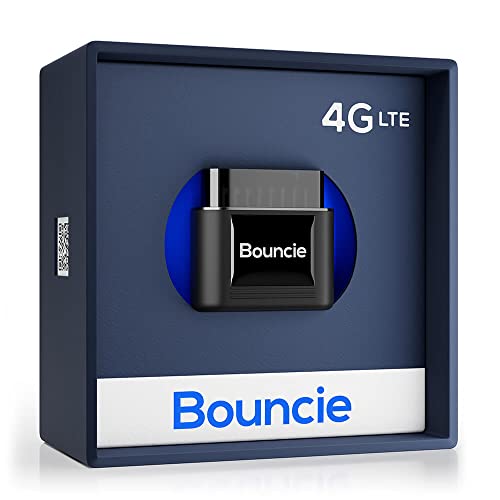
Looking for a reliable way to keep tabs on your vehicle’s health and location? The Bouncie GPS Tracker for Vehicles offers real-time updates on location, speed, and even driving behavior. With features like unlimited route history and geo-fencing, you can easily monitor your vehicle’s movements. It also continuously tracks engine diagnostics, alerting you to potential maintenance issues. Plus, accident notifications guarantee you’re always informed. Installation is a breeze—just plug it into your OBD2 port. At $9.65 a month, you can cancel anytime without hidden fees, making it a smart choice for personal use or fleet management.
Best For: Individuals and businesses looking for an affordable and efficient way to monitor vehicle location and health.
Pros:
- Real-time location tracking provides up-to-the-minute updates for better oversight.
- Comprehensive driving insights help improve road safety and monitor driving behavior.
- Easy installation through OBD2 ports makes it compatible with most vehicles from 1996 onward.
Cons:
- Monthly subscription fee may add up over time for long-term users.
- Dependent on cellular signal for real-time updates, which may be limited in remote areas.
- Limited to vehicles with OBD2 ports, excluding some older or specialized vehicles.
OBDLink MX+ OBD2 Bluetooth Scanner for iPhone, Android, and Windows

Transform your smartphone or tablet into a powerful diagnostic tool with the OBDLink MX+ OBD2 Bluetooth Scanner, perfect for tech-savvy vehicle owners. This scanner works seamlessly with iPhone, Android, and Windows devices, turning them into professional-grade diagnostic tools. It’s compatible with popular apps like FORScan, Torque, and BimmerCode. You can easily clear your Check Engine Light and access live parameters, including ABS, SRS, and TPMS. Plus, it features built-in over-voltage protection and battery drain safeguards. Regular firmware updates keep your device up-to-date, ensuring you always have the latest capabilities for your vehicle diagnostics.
Best For: Tech-savvy vehicle owners looking for a versatile and professional-grade diagnostic tool for their cars.
Pros:
- Compatible with multiple devices including iPhone, Android, and Windows for universal access.
- Access to advanced features such as ABS, SRS, and TPMS diagnostics, enhancing vehicle maintenance.
- Includes safety features like over-voltage protection and battery drain safeguards, ensuring device longevity.
Cons:
- May require additional apps for full functionality, which could complicate the user experience.
- Limited support for some vehicle brands compared to dedicated OEM diagnostic tools.
- Bluetooth connectivity issues can occasionally arise, potentially hindering the diagnostic process.
OBD2 GPS Tracker for Cars with Real-Time 4G Tracking

If you manage a fleet of vehicles or want to keep an eye on your teen driver, the OBD2 GPS Tracker with Real-Time 4G Tracking is an ideal choice. This plug-and-play device installs in seconds, offering 24/7 power without charging. With subscription plans starting at just $6.99 a month, you’re covered without hidden fees. Enjoy 10-second real-time tracking, alerts for ignition changes, speeding, and unauthorized movement. Plus, you can monitor vehicle history and geofences from a single dashboard. It’s perfect for families and businesses alike, ensuring safety and security wherever you go.
Best For: Families wanting to ensure the safety of their teen drivers and businesses needing to manage fleet vehicles effectively.
Pros:
- Plug-and-play installation allows for quick setup in seconds without the need for tools.
- Real-time tracking with 10-second updates provides peace of mind and enhances vehicle security.
- Flexible subscription plans accommodate various needs and budgets with no hidden fees.
Cons:
- Monthly fee may accumulate over time, potentially becoming costly for long-term users.
- Dependent on cellular coverage which may impact tracking effectiveness in remote areas.
- Limited historical data retention (1 year) may not be sufficient for some users needing longer records.
FIXD Bluetooth OBD2 Scanner for Car (1 Pack w/Free FIXD Premium Trial)

The FIXD Bluetooth OBD2 Scanner is ideal for car owners who want to take control of their vehicle’s health without needing mechanical expertise. This wireless auto diagnostic tool works with all gas-powered vehicles from 1996 and diesel vehicles from 2006. Simply plug it into your OBD2 port and pair it with the free FIXD app. It diagnoses over 7,000 issues, provides real-time reports, and tracks maintenance alerts. Plus, it can save you money with accurate repair estimates and expert advice from ASE-certified mechanics during the complimentary FIXD Premium trial. Enjoy peace of mind and guarantee your vehicle’s reliability with FIXD.
Best For: Car owners who want to monitor their vehicle’s health and diagnose issues without mechanical expertise.
Pros:
- Easy to use: Simple plug-and-play setup with the OBD2 port and user-friendly app interface.
- Cost-saving: Provides accurate repair estimates and can save money on unnecessary repairs.
- Comprehensive diagnostics: Diagnoses over 7,000 issues, offering real-time reports and maintenance alerts.
Cons:
- Limited to gas and diesel vehicles: Only compatible with vehicles from 1996 and 2006 onward, respectively.
- Requires smartphone: Users must have a compatible smartphone to access diagnostic information through the app.
- Subscription for premium features: Some advanced features and expert advice may require a paid subscription after the trial period.
ANCEL AD410 Enhanced OBD2 Scanner for Check Engine Light

For vehicle owners seeking an effective solution to diagnose their check engine light issues, the ANCEL AD410 Enhanced OBD2 Scanner stands out with its ability to quickly read and clear emissions-related fault codes. This user-friendly device supports all 16PIN vehicles compliant with OBDII protocols, ensuring compatibility with a wide range of cars. With over 42,000 built-in DTC lookups, it simplifies fault identification. The 2.4 TFT LCD display provides clear results, while advanced diagnostics like O2 sensor testing help optimize fuel efficiency. Plus, resetting the Malfunction Indicator Light is straightforward, making it a reliable choice for quick diagnostics.
Best For: Vehicle owners looking for an efficient and user-friendly tool to diagnose check engine light issues across various car models.
Pros:
- Wide Compatibility: Supports all 16PIN vehicles adhering to OBDII protocols, including a broad range of models from 1996 and newer.
- Comprehensive Fault Identification: Features over 42,000 built-in DTC lookups for easy and quick fault identification.
- User-Friendly Interface: Equipped with a clear 2.4 TFT LCD display and intuitive design for straightforward operation without manual reading.
Cons:
- Limited Code Clearing: Fault codes can only be cleared after addressing the underlying issue, which may not be suitable for all users.
- No Reset Function: Lacks a reset function for certain systems, limiting its diagnostic capabilities.
- Windows Only Updates: Software updates are only available for Windows operating systems, excluding Mac users.
Veepeak OBDCheck BLE Bluetooth OBD II Scanner for iOS & Android

Looking for a reliable way to monitor your vehicle’s health? The Veepeak OBDCheck BLE Bluetooth OBD II Scanner is your go-to device for real-time diagnostics on both iOS and Android. This wireless scanner reads and clears trouble codes, views live sensor data, and checks I/M readiness. It’s compatible with most 1996+ vehicles, though EV support is limited. Just connect through recommended apps like Car Scanner or Torque for full functionality. Keep in mind that some advanced diagnostics and features may require additional purchases or have compatibility restrictions. Guarantee your vehicle’s health effortlessly with this efficient scanner!
Best For: Drivers looking for an affordable and user-friendly tool to diagnose and monitor their vehicle’s health.
Pros:
- Easily reads and clears trouble codes, enhancing vehicle maintenance.
- Compatible with most 1996+ vehicles, making it versatile for a wide range of drivers.
- Wireless Bluetooth connectivity allows for convenient diagnostics on both iOS and Android devices.
Cons:
- Limited support for electric vehicles (EVs), potentially excluding some users.
- Advanced diagnostic features for certain makes/models may require additional purchases.
- Not compatible with specific apps like Carly and MHD, limiting functionality for some users.
FOXWELL NT301 OBD2 Scanner for Check Engine Light

Equipped with live data functionality, the FOXWELL NT301 OBD2 Scanner is an ideal choice for both home mechanics and professional auto shops. It reads fault codes, accesses emissions readiness, and turns off your check engine light with ease. You can quickly reset monitors and retrieve VINs, making it user-friendly for anyone. The scanner supports various OBDII protocols and works with most vehicles from 1996 onwards. Plus, its 2.8-inch color screen guarantees clear visibility. With lifetime updates and a 1-year warranty, you can trust FOXWELL to keep you informed and your vehicle running smoothly.
Best For: The FOXWELL NT301 OBD2 Scanner is best for home mechanics and professional auto shops looking for an efficient and user-friendly diagnostic tool.
Pros:
- Easy to use with no updates required before operation.
- Supports a wide range of OBDII protocols and is compatible with various vehicle makes and models.
- Features live data functionality and a clear 2.8-inch color screen for accurate diagnostics.
Cons:
- May not be compatible with all vehicle models, particularly those outside the specified years.
- Limited advanced features compared to more expensive diagnostic tools.
- Requires the ignition to be in the “on” state for code reading, which may be inconvenient in some situations.
Factors to Consider When Choosing an OBD2 Monitoring Device
When you’re choosing an OBD2 monitoring device, there are several key factors to keep in mind. You’ll want to compare diagnostic capabilities, check for wireless connectivity options, and guarantee the device is compatible with your vehicle. A user-friendly interface and real-time data monitoring can also make a big difference in your overall experience.
Diagnostic Capabilities Comparison
Choosing the right OBD2 monitoring device hinges on understanding its diagnostic capabilities, as not all devices are created equal. Some devices can access over 7,000 issues, including diagnostics for ABS and Airbag systems, while others focus solely on emissions codes. Look for models that provide live data monitoring to track parameters like engine speed and coolant temperature in real time. Built-in DTC lookups in certain devices make it easier to identify fault codes instantly. Advanced diagnostics, such as access to SRS and TPMS, enhance usability. Higher-end models even generate detailed repair reports and suggest fixes, which can save you from unnecessary mechanic visits and help you manage repair costs effectively.
Wireless Connectivity Options
Wireless OBD2 monitoring devices offer the convenience of connecting to your smartphone or tablet via Bluetooth, eliminating the hassle of tangled wires. Bluetooth technology, especially versions 4.0 and above, guarantees faster data transfer and a reliable connection, enhancing your diagnostic experience. You’ll find many devices compatible with both iOS and Android, giving you flexibility regardless of your preferred platform. This wireless connectivity allows you to monitor real-time data while driving, which is essential for diagnosing issues as they arise. Additionally, some devices come with user-friendly apps that enhance functionality, offering features like live data visualization and fault code interpretation. With these options, you can easily keep track of your vehicle’s health without the clutter of cables.
Vehicle Compatibility Range
Selecting the right OBD2 monitoring device hinges on understanding your vehicle’s compatibility range, as not all devices work universally. Make sure to check that the device supports your vehicle’s specific make and model, since some only cater to limited ranges. Most OBD2 devices are compatible with vehicles made from 1996 onward when the OBDII protocol became standard. Some devices cover over 96% of cars, while others may need adapters for older models. Additionally, compatibility with gas and diesel engines can vary, so confirm that the device fits your engine type. If you seek enhanced diagnostic features for specific manufacturers, opt for devices tailored to those brands, as general OBD2 devices might not access all parameters.
User-Friendly Interface Design
How can you guarantee that your OBD2 monitoring device is easy to use? Look for a user-friendly interface design that caters to both novices and experienced users. Clear labeling of buttons and a logical layout can help you quickly access important functions without confusion. Choose devices with intuitive apps that include built-in tutorials or guides, making it easier to understand diagnostic codes and perform repairs. A responsive, visually appealing display allows you to monitor live data and access reports at a glance. Additionally, consider devices that offer customizable settings, enabling you to prioritize the information most relevant to your needs, ultimately enhancing your overall usability and experience with the device.
Real-Time Data Monitoring
When choosing an OBD2 monitoring device, real-time data monitoring is an essential factor that can greatly enhance your understanding of vehicle performance. With the ability to track vital engine parameters like coolant temperature and engine speed instantly, you’ll gain valuable insights. Advanced scanners often provide live data in visual formats, like graphs, making it easier to analyze trends. Continuous monitoring helps you spot potential issues early, allowing for proactive maintenance and reducing the risk of breakdowns. Many devices log live data for historical analysis, which is significant for diagnosing intermittent problems. Additionally, real-time alerts can notify you of conditions like exceeding speed limits, fostering safer driving habits. Prioritize these features for an ideal OBD2 experience.
Cost and Subscription Fees
Considering the costs associated with OBD2 monitoring devices is essential for making an informed choice. You’ll need to factor in both the initial purchase price and any ongoing subscription fees, which can range from free to over $9.65 monthly. Some devices, like BlueDriver and FIXD, don’t require subscription fees, while others might charge for premium features. Be sure to assess whether the device includes all necessary features upfront, as additional fees can apply for enhanced diagnostics or reports. Subscription models may offer extra services like expert advice and maintenance tracking, which could enhance overall value. Always check for any hidden fees related to mobile applications to avoid unexpected expenses down the line.
Support and Warranty Options
Support and warranty options play an essential role in your decision-making process when choosing an OBD2 monitoring device. Look for devices that provide 24/7 professional support through phone or in-app chat for troubleshooting and usage questions. It’s vital to select models that offer lifetime free updates or solid warranty options to guarantee long-term usability without extra costs. Always review return policies and warranty terms; many reputable manufacturers offer a 30-day return guarantee and coverage for defective products. Additionally, check for thorough user manuals and guides that simplify installation and operation. Some devices even provide extensive support via email, which can be invaluable if you encounter any issues during use.