If you’re a serious car enthusiast, you know how essential engine data logging devices are for maximizing your vehicle’s performance. In 2026, a range of advanced options will hit the market, offering features designed to meet your needs. From user-friendly interfaces to real-time data syncing, these devices promise to enhance your driving experience. But which ones truly stand out? Let’s explore the top contenders that could change the way you monitor your vehicle.
Garmin eLog Compliant Electronic Logging Device (ELD)

The Garmin eLog Compliant Electronic Logging Device (ELD) is an ideal choice for truck drivers and fleet managers looking for a straightforward compliance solution without ongoing costs. This device guarantees you meet the FMCSA ELD mandate by accurately recording your Hours of Service (HOS). With a simple one-time purchase, you won’t deal with subscription fees. The Garmin eLog supports 9-pin J1939 and 6-pin J1708 diagnostic ports but requires a separate cable for vehicles with Volvo engines. Plus, it securely stores ELD records on your compatible smartphone, allowing easy access for inspections via USB or Bluetooth. Download the free Garmin eLog app for full functionality.
Best For: Truck drivers and fleet managers seeking a cost-effective and compliant solution for recording Hours of Service without ongoing fees.
Pros:
- No subscription fees: One-time purchase with no additional costs.
- Compliance guaranteed: Meets FMCSA ELD mandate for HOS recording.
- Easy data access: Securely stores records on smartphones and allows inspection via USB or Bluetooth.
Cons:
- Compatibility limitations: Not compatible with OBD-II protocol and requires a separate cable for Volvo engines.
- Smartphone dependency: Requires a compatible smartphone for full functionality.
- Limited diagnostic port support: Only supports specific 9-pin J1939 and 6-pin J1708 ports.
PT30 ELD Device for Heavy-Duty Trucks

For heavy-duty truck operators seeking a reliable electronic logging device, the PT30 ELD stands out as an ideal choice. This device offers plug-and-play installation, connecting effortlessly to your truck’s diagnostic port without any tools. It’s compatible with popular brands like Freightliner, Peterbilt, and Volvo, ensuring broad usability across heavy-duty trucks. The PT30 complies with FMCSA regulations, simplifying your Hours-of-Service tracking and inspections. With Bluetooth connectivity, you can sync live logs and automatically upload data, all while enjoying its rugged design that’s built for the demanding trucking environment. Trust the PT30 ELD to keep your operations running smoothly.
Best For: Heavy-duty truck operators looking for a reliable and compliant electronic logging device to streamline their Hours-of-Service tracking.
Pros:
- Plug-and-play installation for quick and easy setup without the need for tools.
- Broad compatibility with major truck brands, enhancing usability across various fleets.
- Bluetooth connectivity allows for live data sync and automatic uploads, improving operational efficiency.
Cons:
- May require a compatible ELD app on mobile devices for full functionality.
- Limited to heavy-duty trucks, which may not suit operators of lighter vehicles.
- Initial cost of the device may be a consideration for smaller operators or fleets.
FOXWELL NT301 OBD2 Scanner Diagnostic Code Reader Tool

Looking for a reliable diagnostic tool that’s user-friendly and efficient? The FOXWELL NT301 OBD2 Scanner is perfect for you. It reads DTCs, accesses emissions readiness status, and turns off the check engine light with ease. Compatible with most vehicles, including SUVs and light trucks, it supports various OBDII protocols. You’ll appreciate the live data functionality for accurate error code readings. Just plug it into your vehicle’s OBD2 port—no updates needed. With a 2.8-inch color screen and free lifetime updates, this tool is ideal for both home mechanics and auto shops, ensuring you stay on top of your car’s performance.
Best For: Home mechanics and auto shops looking for a user-friendly and efficient diagnostic tool to read DTCs and monitor vehicle performance.
Pros:
- Live data functionality for accurate error code readings.
- No updates required before use; simply plug into the vehicle’s OBD2 port.
- Compatible with a wide range of vehicles and OBDII protocols.
Cons:
- Compatibility may vary by model, year, and VIN.
- Limited advanced features compared to higher-end diagnostic tools.
- Screen size may be small for some users who prefer larger displays.
HPT MPVI4 Diagnostic Code Reader Scanner and Tool

Engine enthusiasts and professionals seeking a powerful diagnostic tool will find the HPT MPVI4 Diagnostic Code Reader Scanner and Tool particularly beneficial. This device offers cleaner, faster logging with pro-grade clarity, giving you insights comparable to the VCM Scanner. With its Pro Feature Set, you can perform standalone data logging, enhancing your diagnostic capabilities. It’s compatible with VCM Suite software 5.2+—available for free download—ensuring you stay updated. Keep in mind, PROLINK+ compatibility requires a separate purchase, and licensing for controllers depends on credits that vary by make and model. This tool is essential for serious automotive diagnostics.
Best For: Engine enthusiasts and professionals seeking a powerful and efficient diagnostic tool for automotive diagnostics.
Pros:
- Offers cleaner and faster logging with pro-grade clarity, comparable to VCM Scanner.
- Includes Pro Feature Set capabilities, allowing for standalone data logging.
- Compatible with VCM Suite software 5.2+, ensuring ease of use and updates.
Cons:
- PROLINK+ compatibility requires a separate purchase.
- Licensing for controllers depends on credits that vary by make and model, which can add to overall costs.
- May be less user-friendly for beginners without prior experience in automotive diagnostics.
My20 ELD Truck GPS Tracking Device
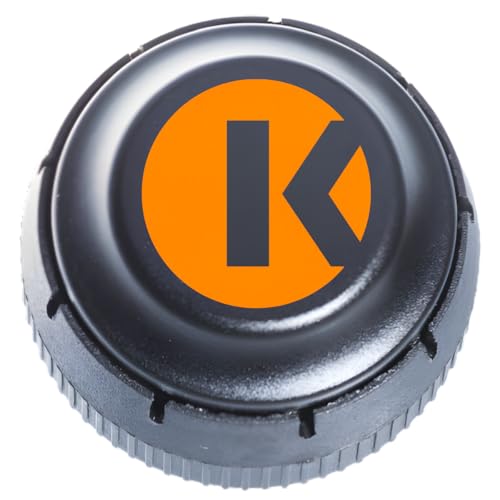
The My20 ELD Truck GPS Tracking Device stands out as an ideal choice for truck drivers seeking an affordable and user-friendly electronic logging solution. It’s FMCSA compliant and connects easily via the 9-pin J1939, 6-pin J1708, or OBD-II diagnostic ports. Best of all, you won’t need extra hardware—just an Apple or Android smartphone and the free My20 app. The installation process is straightforward; simply connect the ELD to the standard ECM connector. After that, download the app and link your phone via Bluetooth. Keep in mind, though, that a prepaid annual subscription is required for full functionality.
Best For: Truck drivers seeking an affordable and user-friendly electronic logging solution.
Pros:
- Affordable: The My20 ELD is the most affordable ELD on the market, requiring no additional hardware.
- Easy Installation: Installation is simple and straightforward, connecting easily to the standard ECM connector.
- User-Friendly App: The free My20 app allows for easy operation and access to features via Bluetooth.
Cons:
- Subscription Requirement: A prepaid annual subscription is required for full functionality.
- Limited Compatibility: An adapter cable is necessary for OBD-II or 6-pin ECM ports, which may add extra cost.
- Smartphone Dependency: Users must have an Apple or Android smartphone to utilize the My20 app.
HPT MPVI4 Diagnostic Code Reader Scanner and Tool
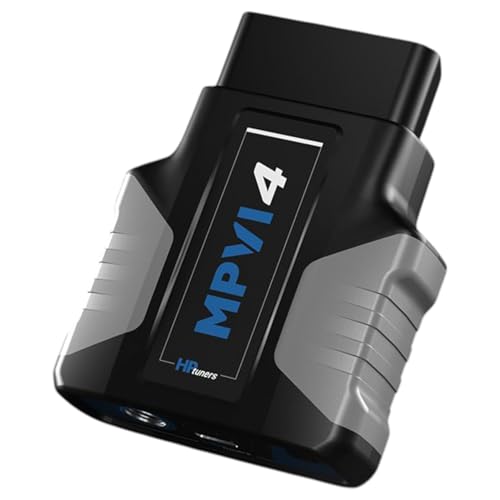
For automotive enthusiasts and professionals who demand precise diagnostics, the HPT MPVI4 Diagnostic Code Reader Scanner and Tool stands out with its high-speed standalone data logging capability. It features a powerful dual-core 1.7GHz processor, ensuring rapid data processing for thousands of vehicles across 40+ manufacturers. The new tapered OBDII fitment guarantees a secure connection. With compatibility for VCM Suite software, you can easily read DTCs and diagnose issues. Plus, upcoming Wi-Fi updates will enhance transfer speeds. Rated 5.0 stars by users, it’s a reliable choice for anyone serious about vehicle performance and diagnostics.
Best For: Automotive enthusiasts and professionals seeking precise diagnostics and high-speed data logging capabilities.
Pros:
- Rapid data processing with a dual-core 1.7GHz processor and 1GB RAM for efficient diagnostics.
- Compatible with thousands of vehicles from over 40 manufacturers, making it versatile for various applications.
- Upcoming Wi-Fi capability for faster transfer speeds enhances overall functionality.
Cons:
- Requires credits for licensing controllers, which may add to the overall cost depending on vehicle make/model.
- Limited to Windows 10 operating system, potentially excluding users with other systems.
- Additional PROLINK+ compatibility sold separately, which may require further investment for full functionality.
J1939 9 Pin to 10 Pin Diagnostic Cable for Trucks

Looking for a reliable way to connect your PT30 ELD Logbook to your truck’s ECM? The J1939 9 Pin to 10 Pin Diagnostic Cable is your solution. This green connector cable is compatible with Freightliner, Kenworth, Peterbilt, and Western Star trucks, making it versatile for various models. It enables seamless ECM data transmission for Hours of Service logging and supports vehicle diagnostics through your PT30 ELD device. Plus, it meets DOT-compliant electronic logging device requirements, ensuring you’re always within regulations. With this cable, you can easily monitor your engine data and enhance your trucking experience.
Best For: Truck drivers and fleet operators using Freightliner, Kenworth, Peterbilt, and Western Star trucks who need to connect their PT30 ELD Logbook for efficient ECM data transmission.
Pros:
- Easy to identify green connector simplifies installation and use.
- Enables compliance with DOT electronic logging device regulations.
- Facilitates effective engine monitoring and diagnostics through direct ECM connection.
Cons:
- Limited compatibility as it’s specifically designed for certain truck brands.
- May require additional adapters for non-compatible ELD devices.
- Potential for wear and tear with frequent use in rugged trucking environments.
OBDLink MX+ OBD2 Bluetooth Scanner for iPhone, Android, and Windows

Transform your smartphone or tablet into a professional-grade diagnostic tool with the OBDLink MX+ OBD2 Bluetooth Scanner. This scanner is compatible with iPhone, Android, and Windows devices, giving you flexibility and convenience. It supports popular apps like FORScan, Torque, and BimmerCode, ensuring extensive OEM coverage, especially for brands like Ford, GM, and Toyota. With the ability to clear the check engine light and access live parameters including ABS and TPMS, you’ll have deeper insights into your vehicle’s health. Plus, built-in safety features protect against over-voltage and battery drain, while firmware updates keep your device current.
Best For: DIY car enthusiasts and professional mechanics looking for a versatile and reliable OBD2 diagnostic tool.
Pros:
- Extensive compatibility with popular diagnostic apps and a wide range of vehicle brands.
- Access to live parameters including critical systems like ABS and TPMS, providing detailed vehicle insights.
- Built-in safety features protect against over-voltage and battery drain, ensuring device longevity.
Cons:
- May require additional app purchases for full functionality beyond basic diagnostics.
- Bluetooth connectivity issues can occasionally occur with certain devices or operating systems.
- Limited support for some car brands, particularly older models or less common manufacturers.
ELD Mandate’s PT 30 Electronic Logging Device

ELD Mandate’s PT 30 Electronic Logging Device stands out as an excellent choice for fleet operators who need to guarantee compliance with Hours of Service (HOS) regulations. This FMCSA-certified ELD offers seamless connectivity through J1939, J1708/J1587, and OBD-II interfaces. With features like a large storage capacity for offline use, integrated GPS, and driver vehicle inspection reports, it enhances safety and compliance. Installation is a breeze, with thorough support available in multiple languages. Plus, the device includes advanced analytics for driving behavior, real-time notifications, and IFTA mileage calculations, making it a powerful tool for efficient fleet management.
Best For: Fleet operators seeking a reliable and compliant Electronic Logging Device to manage Hours of Service regulations efficiently.
Pros:
- FMCSA-certified, ensuring compliance with HOS regulations.
- User-friendly installation process with multilingual support available.
- Advanced features like real-time GPS tracking and driving behavior analytics enhance fleet management.
Cons:
- Initial setup may require some technical knowledge for optimal configuration.
- Subscription cost after the first year may add to long-term expenses.
- Limited offline functionality compared to some competitors in the market.
ELD Mandate’s Electronic Logging Device with Truck GPS Tracking

For fleet operators and truck drivers seeking a reliable solution to meet FMCSA compliance, ELD Mandate’s Electronic Logging Device with Truck GPS Tracking stands out as a top choice. This device guarantees complete compliance with its FMCSA-certified features, including logbook management and electronic vehicle inspection reports. Installation is a breeze, connecting via Bluetooth in minutes. Plus, you’ll enjoy 24/7 customer support in multiple languages. With real-time GPS technology, vehicle diagnostics, and easy data access through a mobile app, you can track your fleet efficiently. It’s a smart investment for safety and compliance in the trucking industry.
Best For: Fleet operators and truck drivers seeking a reliable and compliant solution for electronic logging and vehicle tracking.
Pros:
- FMCSA-certified for complete compliance with Hours of Service regulations.
- Easy installation and Bluetooth connectivity streamline setup and use.
- 24/7 customer support available in multiple languages ensures assistance whenever needed.
Cons:
- Best Sellers Rank indicates it may not be as popular as competing devices.
- Subscription model may incur additional costs after the first year.
- Limited historical records storage duration of six months may not meet all users’ needs.
Factors to Consider When Choosing an Engine Data Logging Device
When you’re choosing an engine data logging device, you need to think about several key factors. Consider compliance with regulations and how well the device works with your vehicle. Also, don’t overlook the ease of installation, data management capabilities, and available connectivity options.
Compliance With Regulations
Choosing an engine data logging device requires you to prioritize compliance with regulations, especially those set by the FMCSA for Electronic Logging Devices (ELDs). These regulations guarantee that Hours of Service (HOS) logging meets legal requirements for commercial drivers. To avoid penalties, your device must adhere to specific FMCSA standards regarding data recording, storage, and accessibility for inspections. Additionally, it’s vital to select devices that support communication protocols like J1939, J1708, or OBD-II to secure proper functionality and compliance. Regular software updates and maintenance are necessary to keep up with evolving regulations and maintain accurate logging. Remember, failing to comply can lead to fines, increased scrutiny during inspections, and potential disruptions to your business operations.
Compatibility With Vehicles
To guarantee your engine data logging device performs at its best, it’s important to verify its compatibility with your vehicle. Start by checking the specific diagnostic port type, such as J1939, J1708, or OBD-II. Make sure the device supports your vehicle’s make and model, as many are designed for particular manufacturers or types, like heavy-duty trucks. Next, consider how the device connects; some offer a plug-and-play interface, while others might require additional adapters. It’s also vital to confirm that the device can communicate smoothly with your engine management system for accurate data logging. Finally, review the software compatibility to verify it works well with the mobile or desktop applications you plan to use for data management.
Installation Process Ease
The ease of installation can make or break your experience with an engine data logging device. Some devices offer a simple plug-and-play setup, requiring no tools, while others may involve complex connections. Look for devices that connect to standardized diagnostic ports like OBD-II or 9-pin J1939, as these generally provide easier installation options. Detailed installation instructions are essential; they can help you avoid mistakes and streamline the setup process. Additionally, some devices offer step-by-step support and free demos, boosting your confidence during installation. Keep in mind that you might need extra adapter cables for specific vehicles, so always verify compatibility before making a purchase to guarantee a smooth installation experience.
Data Management Features
After guaranteeing a smooth installation, the next step is evaluating the data management features of engine data logging devices. Effective data management allows secure storage of engine data and logs, helping you comply with regulations like the FMCSA ELD mandate. Look for devices that let you access data via mobile apps or USB ports, making inspections and record retrieval straightforward. Real-time data syncing and automatic uploads enhance your ability to monitor engine performance and compliance status efficiently. Compatibility with various diagnostic protocols ensures seamless data management across different vehicle models. Additionally, advanced logging features, such as offline storage capabilities, let you maintain records even in areas with limited connectivity, guaranteeing you’re always prepared.
Connectivity Options Available
When choosing an engine data logging device, connectivity options play an essential role in guaranteeing you get the most out of your investment. Look for devices that connect through various diagnostic ports, like OBD-II, 9-pin J1939, or 6-pin J1708, depending on your vehicle type. Bluetooth connectivity is a great feature, allowing live logging and real-time data access on your smartphone or tablet. Opt for plug-and-play devices for quick installation without the hassle of extra tools. Compatibility with major ELD apps on Android and iOS enhances functionality, making data management easier. Keep in mind that some devices might need specific cables or adapters for certain vehicle models, so check compatibility to guarantee a seamless experience across various trucks and heavy-duty vehicles.
Subscription or One-Time Fee
Choosing between a subscription model and a one-time fee for your engine data logging device can greatly impact your budget and overall experience. Subscription services often offer cloud storage, regular updates, and enhanced support, which can improve your user experience but add to your long-term costs. On the other hand, a one-time fee device typically includes all necessary features upfront, allowing you to avoid recurring charges. However, you should verify it meets your future needs, as it may lack the flexibility for upgrades that subscriptions provide. Carefully evaluate both the initial purchase price and the potential long-term expenses associated with subscription services to make an informed decision that aligns with your budget and performance expectations.
Support and Warranty Offered
Selecting an engine data logging device involves more than just features and price; support and warranty play essential roles in your experience. Look for manufacturers that offer 24/7 customer support through various channels like phone, email, and online chat. A warranty period of at least one year can provide peace of mind against defects or operational issues. Additionally, check if the manufacturer provides free lifetime software updates, enhancing functionality and compatibility with new vehicles over time. A solid return policy is significant too, allowing you to replace or refund defective items. Finally, consider whether they offer multilingual assistance, which can be critical if you prefer guidance in a language other than English.